Skip to content
RojMitra, Mapping India's Workforce
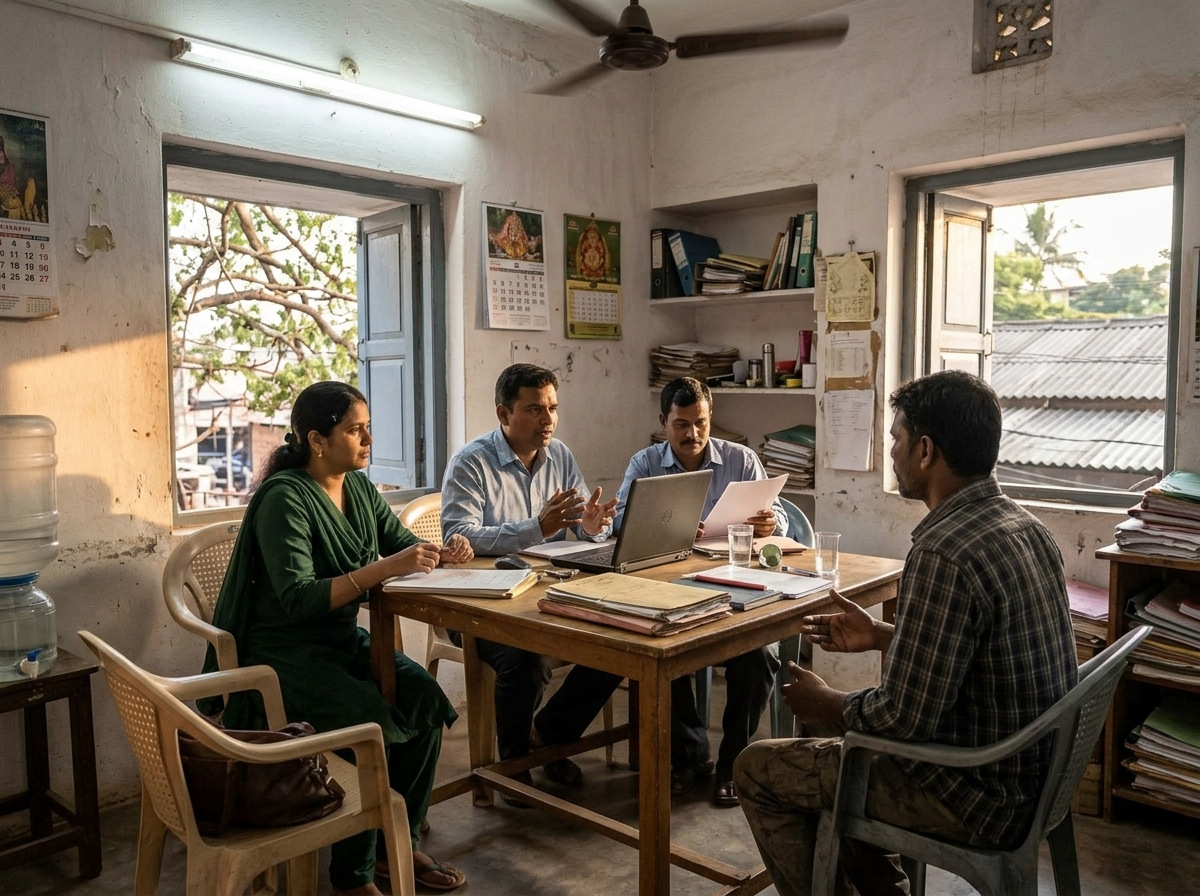
Four people around an office table with a laptop and papers

Public Initiatives Shaping Workforce Registration and Visibility in India

Central and state governments are developing systems and policies for unorganised, migrant, gig and platform workers. This page tracks selected official initiatives relevant to workforce registration, social security and labour-market visibility. RojMitra is an independent EarlyJobs initiative and is not presented as a government programme or integration.

Government Initiatives We Are Tracking

This section covers selected national and state-level initiatives related to workforce registration, worker welfare, employment access, skill development and labour intelligence.

CentralState3 initiatives
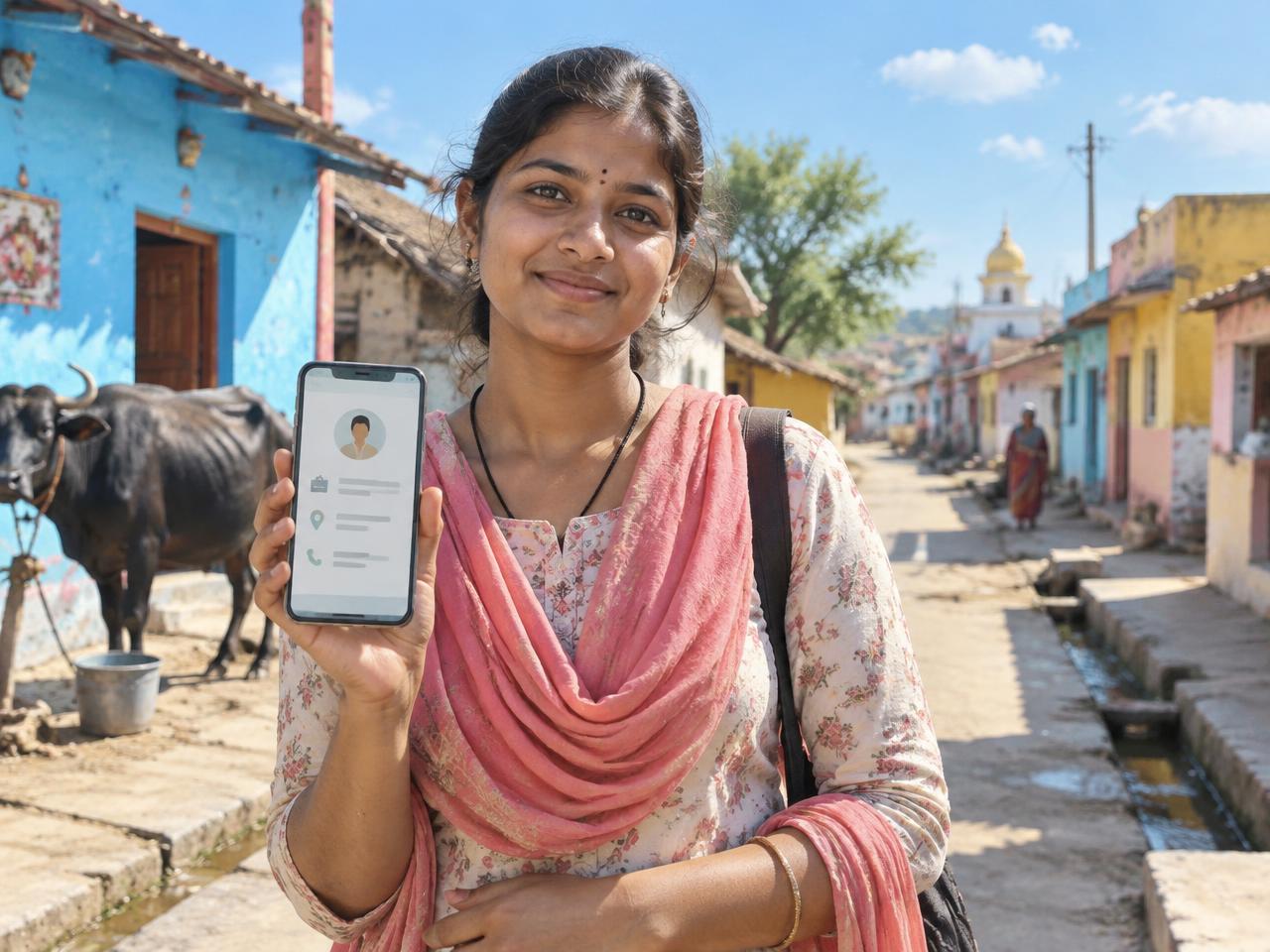
A worker with a digital profile card representing organised worker records
CentralRegistration of unorganised workers

e-Shram Portal

Government: Ministry of Labour and Employment, Government of India

The e-Shram portal was launched in 2021 to create a national database of unorganised workers, including migrant workers and gig and platform workers, seeded with Aadhaar. Official reporting stated more than 30.95 crore registrations as of 22 July 2025.

Registered workers receive a Universal Account Number (UAN). The platform is intended to help bring workers into a more organised system of identification and support.

Why it matters: A national worker database can help improve the visibility of workers who are often outside formal employment records.

Source: Ministry of Labour and Employment · Source date: 22 July 2025 · Last checked: 13 November 2026

Official platform
An official reviewing workforce registration needs at a workplace gate
StateStatewide registration and social security for gig workers

Haryana Gig Worker Registration Drive

Government: Government of Haryana

On 27 May 2026, Haryana Chief Minister Nayab Singh Saini directed a statewide special campaign to register gig and platform workers so they can access upcoming central and state social-security schemes under Haryana Vision 2047.

The Labour Department reported 21,777 gig workers already registered, with further enrolment underway through platform outreach, special camps and awareness programmes across the state.

Why it matters: State-level registration drives show how governments are trying to make platform and unorganised workers visible enough to receive welfare and workforce support.

Source: Haryana Chief Minister's Office press release · Source date: 27 May 2026 · Last checked: 13 November 2026

Press release
A field facilitator meeting workers about registration and welfare
StateDraft registration, social security and welfare framework for platform-based gig workers

Telangana Gig and Platform Worker Policy & Draft Legislation

Government: Government of Telangana

Telangana published a draft gig and platform worker bill in 2025 and subsequently continued work on a proposed welfare framework. The initiative has included proposals concerning worker registration, welfare structures, insurance and digital records. RojMitra should update this section only when an official state source confirms a subsequent enactment or material policy change.

Why it matters: The initiative reflects a growing focus on recognising gig workers and creating structured systems for their registration and welfare.

Source: Telangana Labour Department / Draft Bill materials · Status: draft / proposed · Last checked: 13 November 2026

Official platform

Context

Why These Initiatives Matter

India's workforce is spread across villages, towns, industrial clusters and cities. Workers move between occupations, employers and locations. Their skills and work experience are not always captured in one accessible system.

Government initiatives are addressing different parts of this challenge:

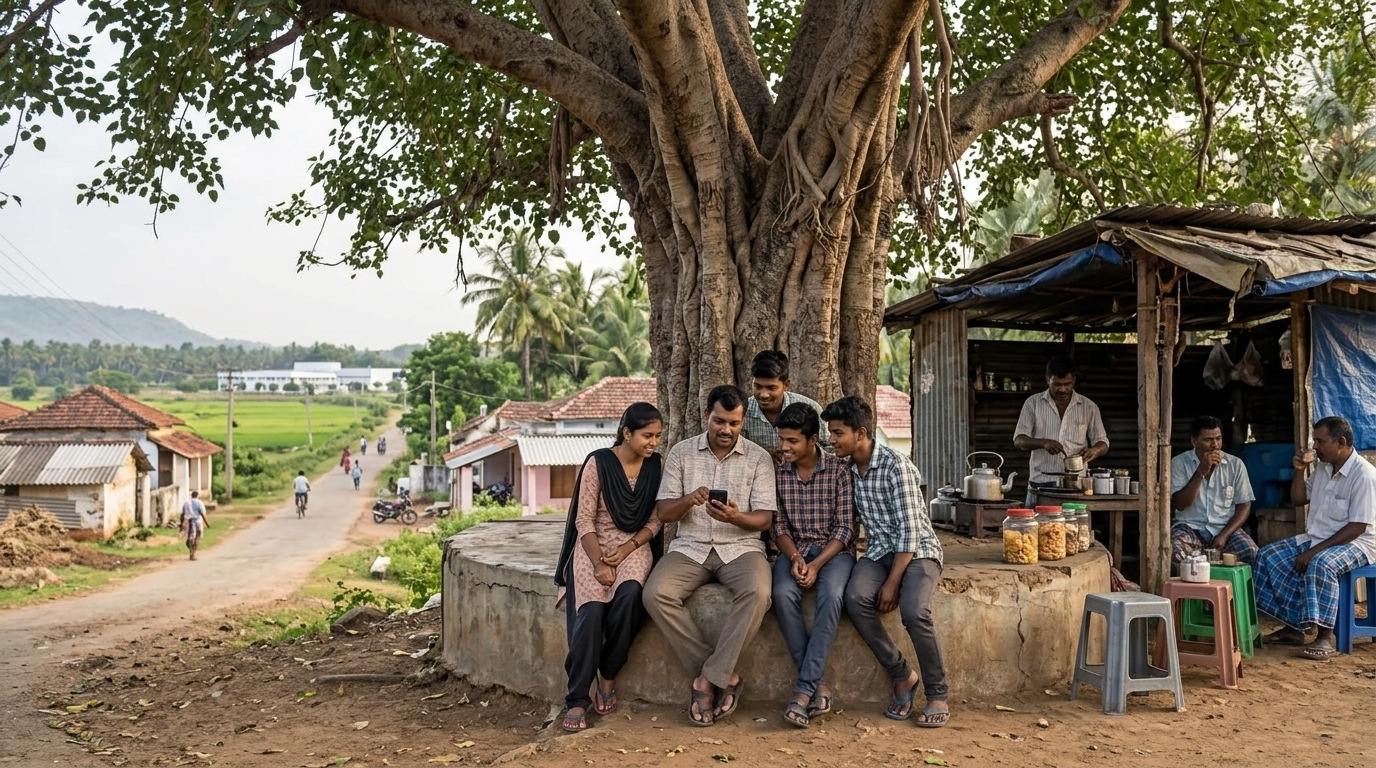
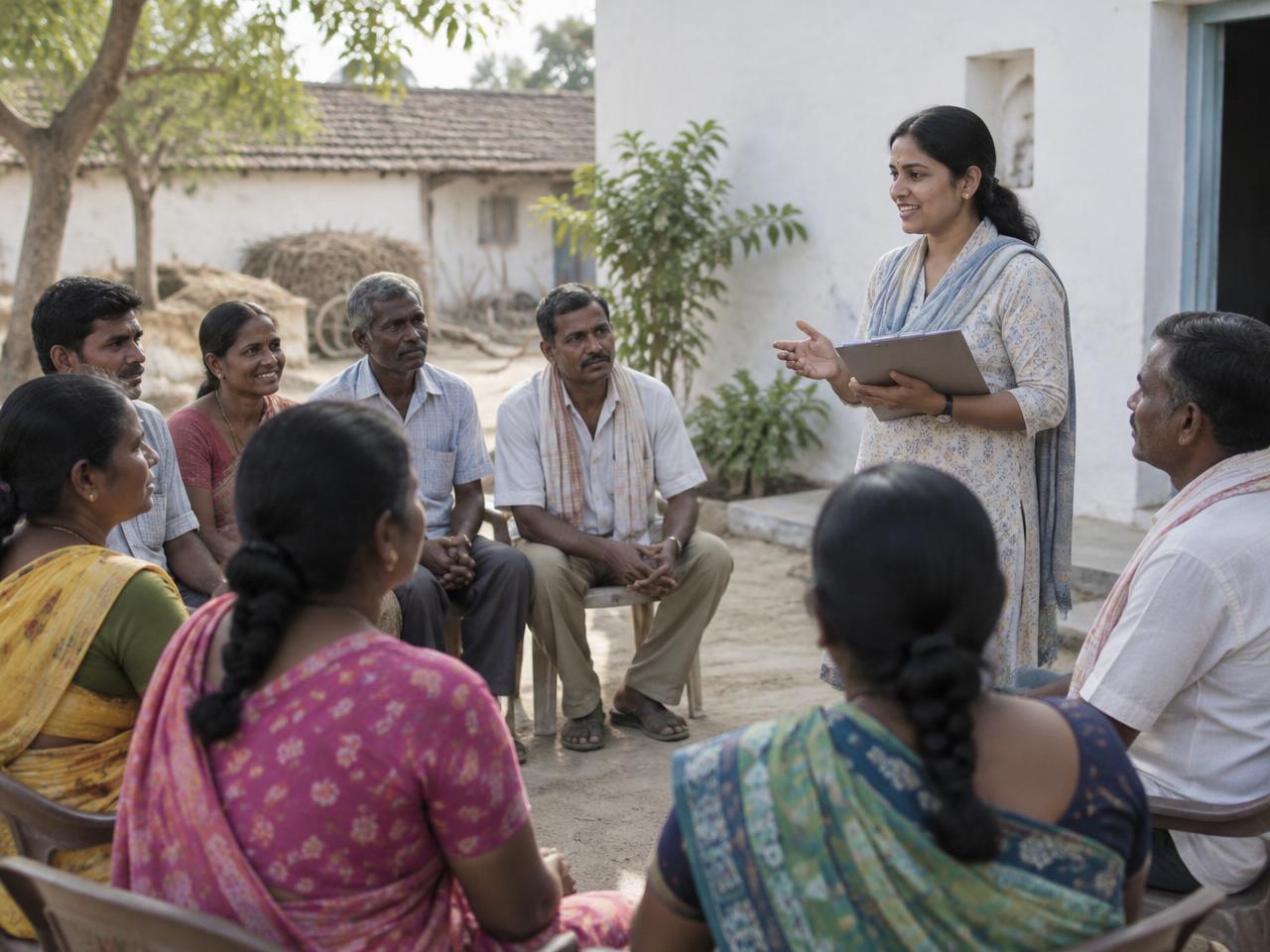
Villagers and a local partner reviewing opportunities together under a banyan tree
  • Worker registration: Creating records that help identify workers.
  • Social security: Building systems for welfare and worker protection.
  • Migration information: Understanding where workers come from and where they work.
  • Employment access: Making job opportunities easier to find.
  • Workforce planning: Improving the information available to institutions and decision-makers.

These efforts are important steps towards a better-understood workforce ecosystem.

Our role

How RojMitra Relates to Public Workforce Initiatives

Government systems such as e-Shram serve statutory, social-security and public-policy functions. RojMitra has a different purpose: organising consent-based workforce information for employment and workforce-intelligence use cases. The two should be described as complementary only where that distinction is explicit.

RojMitra is an independent initiative by EarlyJobs. We are not presenting the government programmes listed on this page as our partners, integrations or endorsements.

Follow Developments in India's Workforce Ecosystem

Government policies and programmes continue to evolve. We will keep updating this page as new initiatives are announced, official guidelines are released and registration platforms become available.

If you know of a government initiative related to worker registration, labour welfare, migration, employment or workforce mapping, you can share it with us for editorial review.

FAQ

Frequently Asked Questions

No. RojMitra is an independent EarlyJobs initiative. The government programmes discussed on this page are presented for informational context and should not be interpreted as partnerships, integrations or endorsements unless expressly confirmed.

e-Shram is a Ministry of Labour and Employment system created as a national database of unorganised workers. Official reporting stated more than 30.95 crore registered workers as of 22 July 2025.

No. e-Shram is a government system associated with registration and social-security access. RojMitra's stated purpose is village-level workforce intelligence and employment visibility.

Gig and platform-worker policies can affect registration, welfare and workforce-data structures. Tracking them helps employers and institutions understand how the wider workforce-information environment is evolving.

Every policy item should be linked to a primary government source and display the source date and date last checked. Drafts, announcements and enacted laws must be labelled differently.

RojMitra can invite institutional discussions, but no public body should be described as a partner until there is verifiable authorisation or a formal relationship.

Build a More Visible Workforce Ecosystem

India's workforce deserves to be understood beyond basic numbers. Better information about workers, their skills and their locations can help create stronger connections between people, employers and institutions.

RojMitra is working towards that goal, one village at a time.

RojMitra — Mapping India's Workforce

Be Part of a More Connected Workforce

Whether you are an employer looking to understand your workforce requirements or a local partner interested in connecting workers with opportunities, there is a place for you in this ecosystem.

Next: Workforce Intelligence