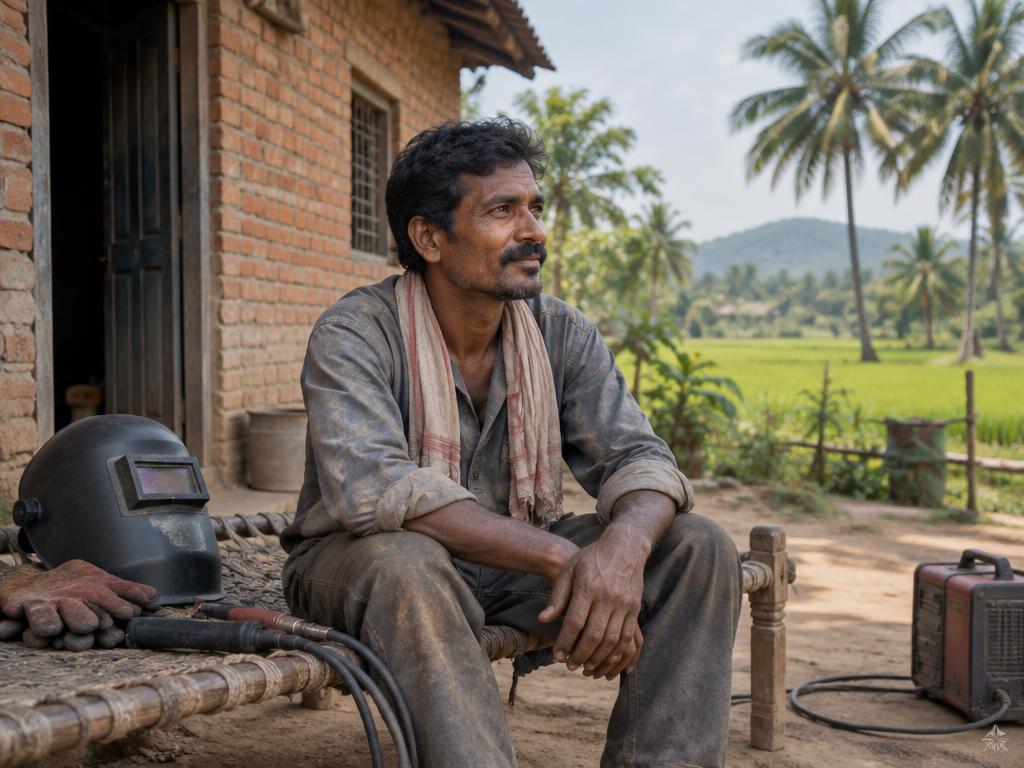
Workers: Experience That Nobody Can See
Workers may gain valuable experience across locations and industries without maintaining a structured employment record that can be used when they return home or change employers.
The Problem
India has millions of workers who have spent years building skills across industries. They work in factories, textile units, construction sites, warehouses, logistics operations and countless other workplaces.
Many travel hundreds or thousands of kilometres to find employment. They learn new trades, gain experience, change industries and eventually return to their hometowns and villages.
But when they move, an important part of their professional journey often gets left behind.
Their experience is rarely organised in a way that the next employer can easily discover.
The problem is not that India lacks skilled workers. The problem is that much of this workforce remains invisible.
Workers may gain valuable experience across locations and industries without maintaining a structured employment record that can be used when they return home or change employers.
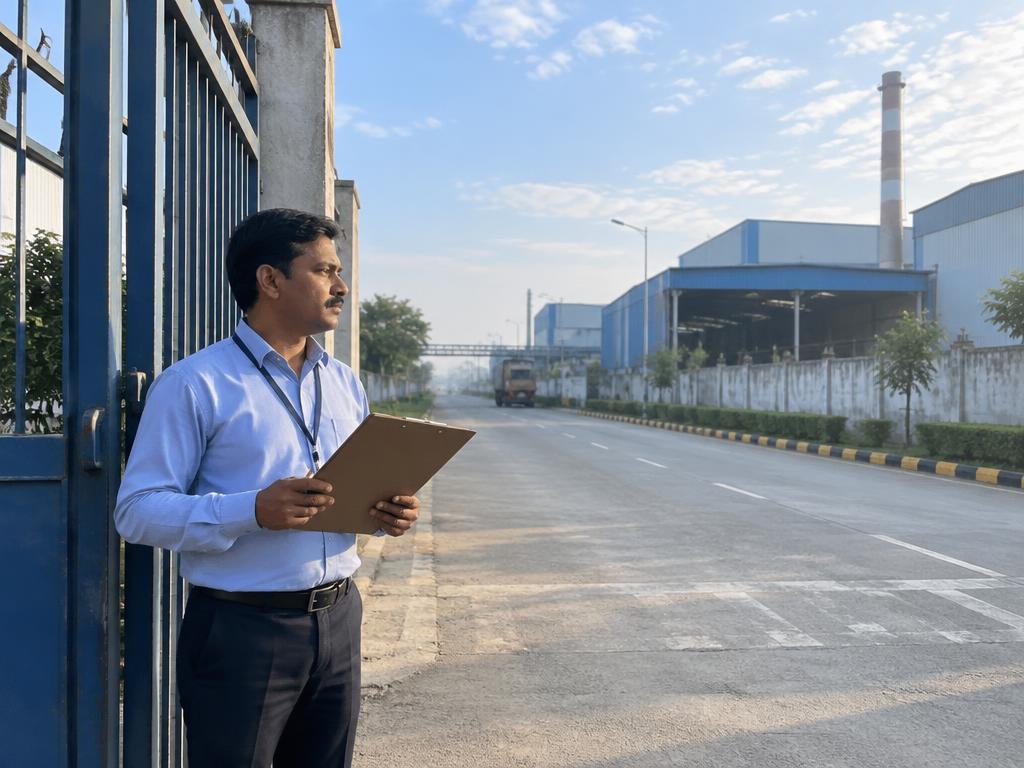
Employers can know how many people they need without knowing which nearby or returning workers have relevant experience, skills and current availability.
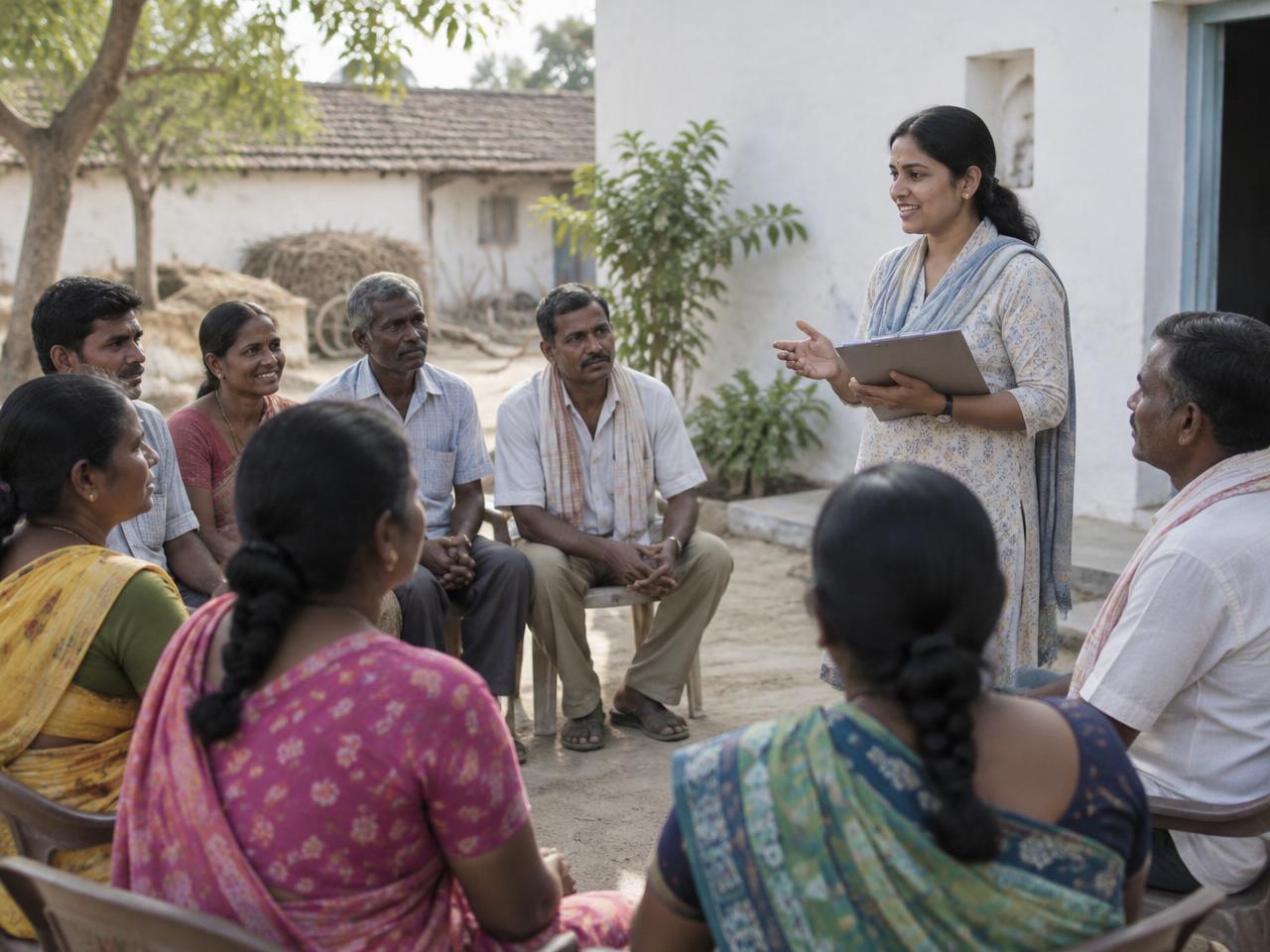
Aggregate datasets are valuable for planning, but they may not answer operational questions about the skills, experience and availability of workers in a particular community or hiring catchment.
Workforce intelligence connects geography with worker-level information such as occupation, skills, experience, work history and availability. Its purpose is to make local workforce supply easier to understand without replacing official labour-market statistics or formal recruitment processes.
Why is village-level workforce information useful?
Village-level information can reveal workforce characteristics hidden by larger geographic averages. For employers, it can improve understanding of local sourcing potential. For institutions, it can add granular evidence to wider employment, skilling or livelihood planning.
Explore workforce intelligence and frontline workforce requirements.
The village is where many workers come from, where their families remain and where they often return between employment opportunities.
Starting at the village level allows workforce information to be understood closer to its source.
From there, information can be organised across Gram Panchayats, blocks, districts, states and the country.
This creates an opportunity to understand not just how many workers exist, but what they know, what they have done and where their experience can be useful.
RojMitra by EarlyJobs is being built as village-level workforce intelligence infrastructure.
Our aim is to make workers' skills, experience, availability and employment journeys more visible through consent-based workforce records and local partner networks.
We want to help employers move beyond repeated searches for unknown talent and build a better understanding of the workforce around them.
We also want workers' experience to remain visible even when their employment journey takes them across cities, states and industries.
The talent is already there. It is time to make it visible.
Looking to hire workers for your factory, warehouse, construction project or business operations?
Share your workforce requirements with RojMitra. Tell us the roles, locations and number of workers you need.
Are you connected with workers and communities in your district or village?
Become a RojMitra Sourcing Partner and help build a stronger connection between India's workforce and employment opportunities.
Help us connect local workforce intelligence with real employment requirements.
Whether you are an employer looking to understand your workforce requirements or a local partner interested in connecting workers with opportunities, there is a place for you in this ecosystem.
Next: How It Works